Kinetic
A redesign of how customers choose and buy home internet.
- Role
- Lead product designer
- Agency
- The Ashley Group · 2022–24
Buying internet should not require detective work.
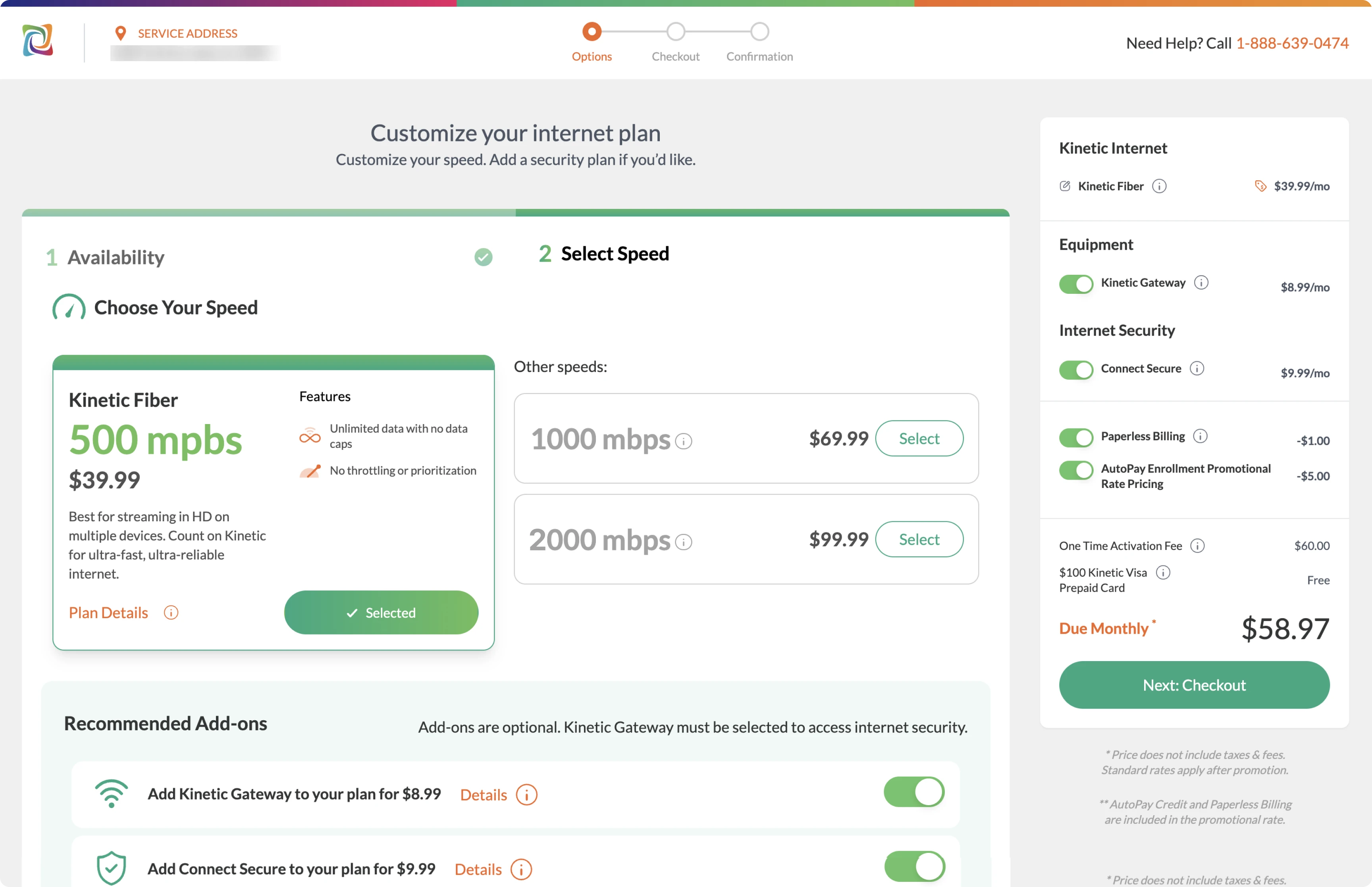
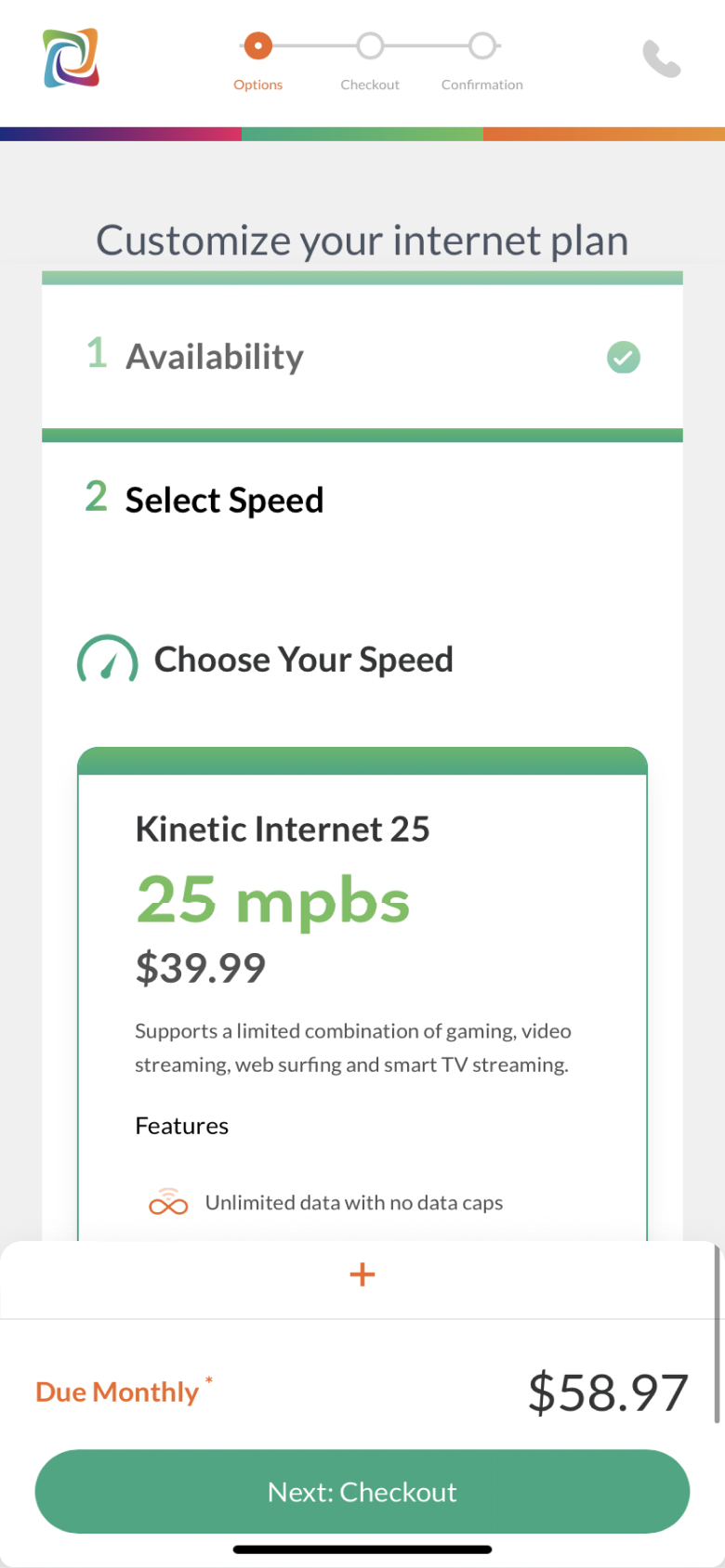
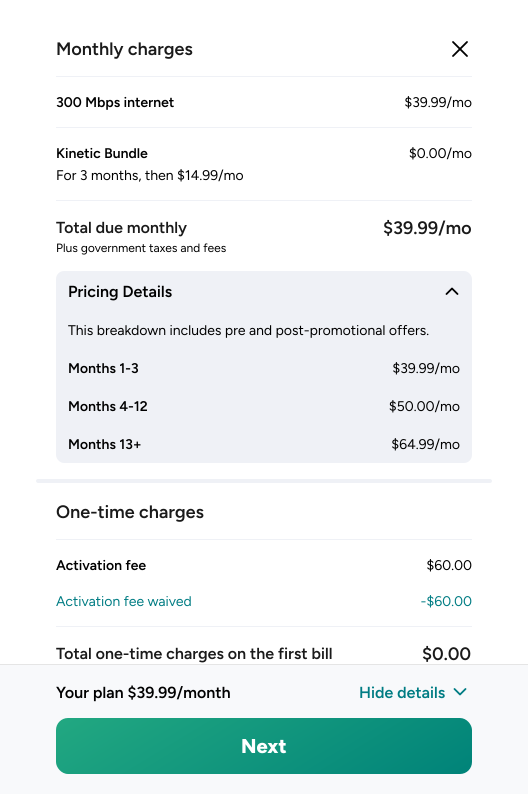
At Kinetic, you check your address, choose a plan, and see what it will cost. Before the redesign, you had to open plans one at a time and remember what each offered. The same screen asked you to choose equipment and add-ons. Monthly charges appeared alongside one-time fees, making it hard to tell what you would pay now and each month.
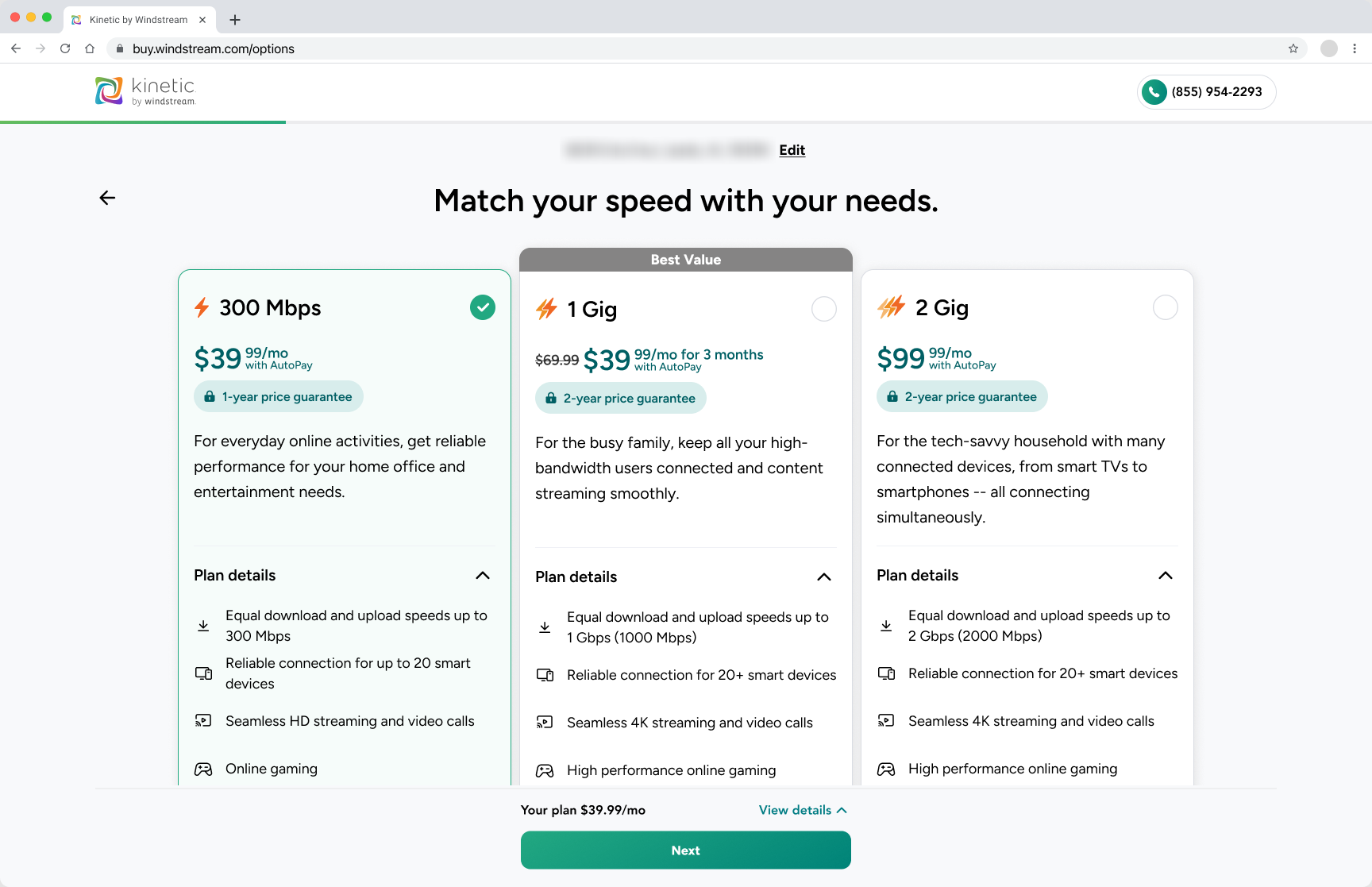
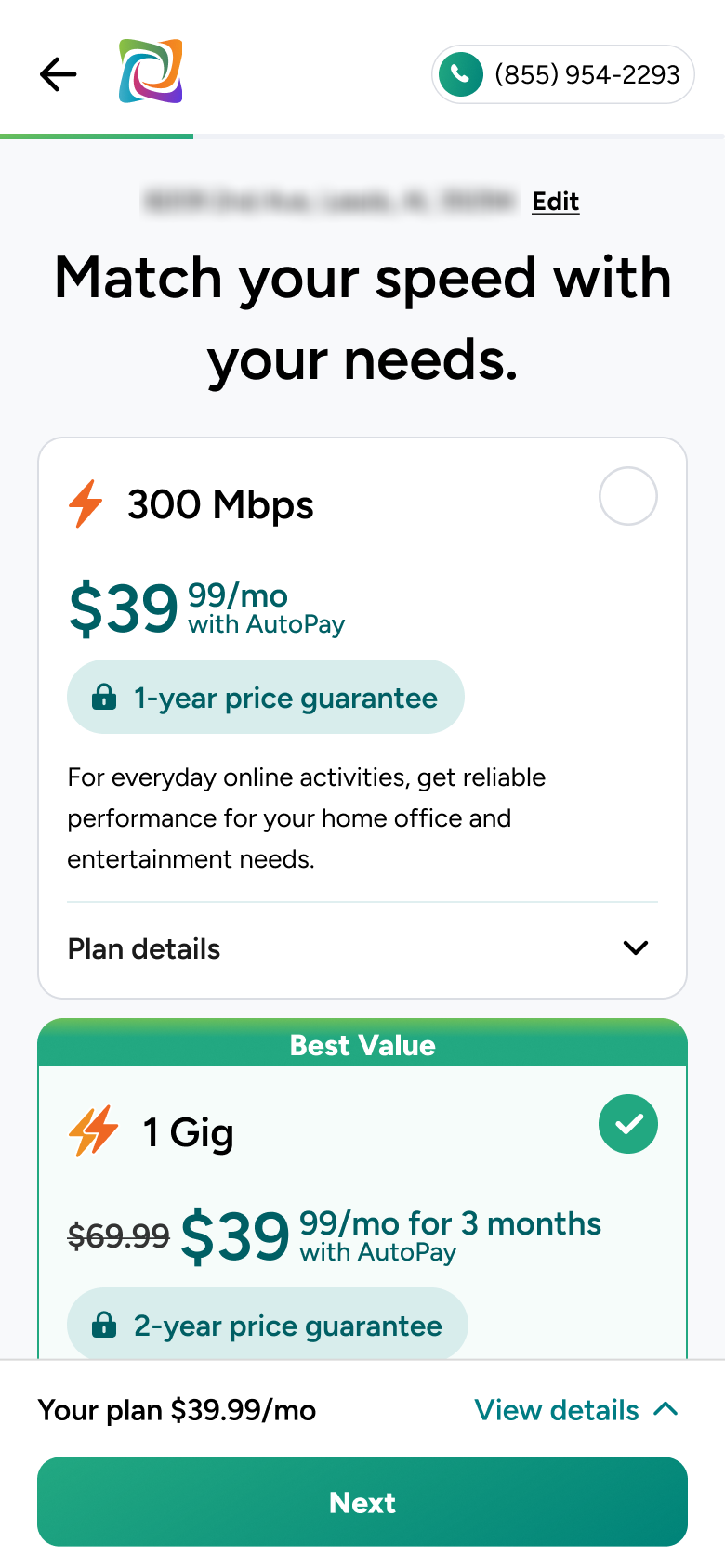
I separated choosing a plan from choosing equipment and add-ons. Customers could compare speed, benefits, and price first, with plans side by side on desktop and in one scrolling view on mobile. I separated monthly charges from one-time costs so they could see what they would pay upfront and each month.
The redesigned purchase flow launched in 2023. The team reported a 13% increase in e-commerce web conversion in an A/B test of the new flow. It was then rolled out to all cart traffic.
When a new resident could not get to plans
I mapped the paths for new customers, existing customers, and people moving, then tried different addresses to see where people got stuck. One case stood out: a new resident could not reach plans if the previous resident still had active Kinetic service.
I checked how other providers handled moves and wrote a proposal for Kinetic’s product owners. I then made the case to marketing and leadership. Once it was approved, I led the design with the team through launch. A new resident could continue to plans, while an existing customer could sign in.
Reaching people before fiber arrived
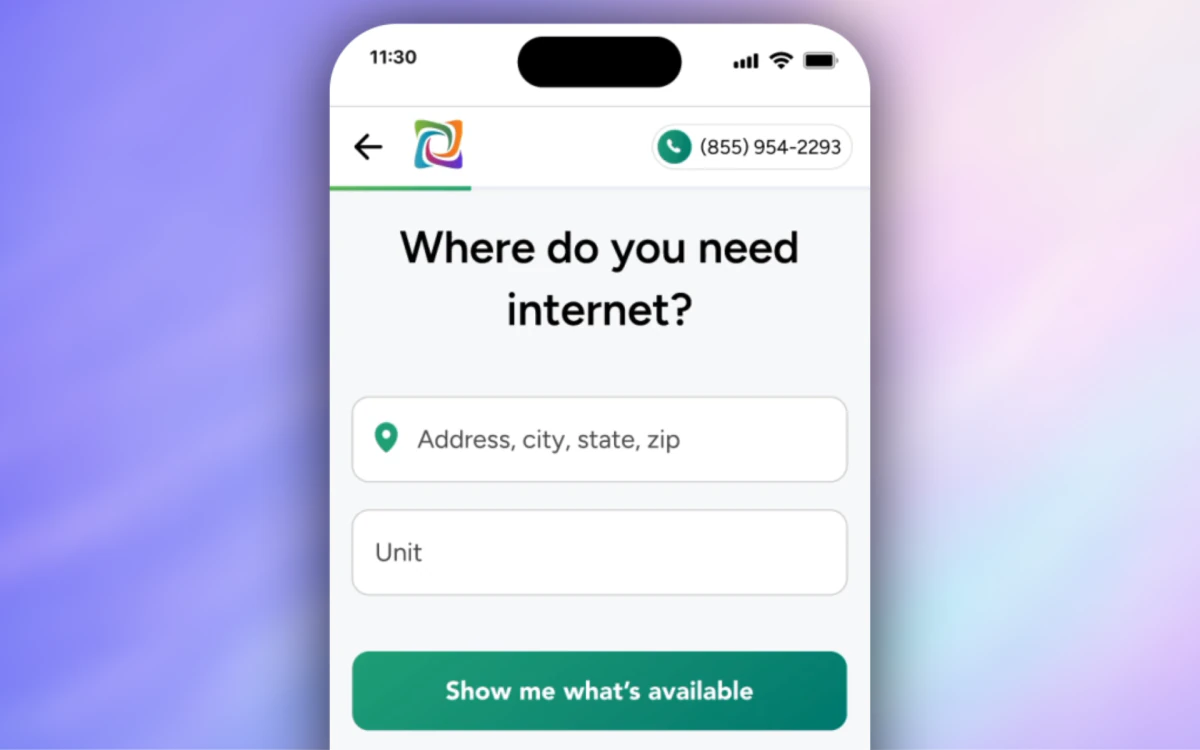
Before fiber reached a new area, Kinetic’s marketing team ran a campaign to gather interest. I worked with marketing on the campaign visuals and designed the signup page. I mapped how people would buy once service was ready, then worked with Kinetic’s product owners and developers to connect people to the main purchase flow.
I recommended carrying their address and details forward, so returning customers could pick up where they left off instead of entering everything again.
How the work began
For The Ashley Group’s pitch, I conducted and wrote the product-design audit. Along with the plan and pricing problems above, I found that customers could remove Kinetic’s equipment without confirming they had a compatible replacement. Without one, they could not use the service. Turning off AutoPay or paperless billing could also raise their price without a clear warning. I recommended confirming that customers had the equipment they needed and warning them before a choice raised their price.
Checking the work with customers
We used UserTesting.com for qualitative sessions on landing pages, fiber pre-orders, and the purchase flow. In the fiber work, some people were unsure what fiber was; others expected a phone call after signing up. We needed to explain the service, price, and next step before asking them to register.
The broader team also tested offers and smaller design choices, including wording, button placement, and color, on landing pages and in the purchase flow. I took part in some of those tests.
A system the team could keep using
Kinetic’s pages had been designed one at a time. I built a shared design system for its residential pages and purchase flow. It covered landing-page headers and feature sections as well as plan cards, price breakdowns, and equipment choices. Other designers, product owners, and engineers used it. I maintained the system as the work grew, reviewing new components before adding them.
My role
On the pitch, I worked with Michael Ashley, founder of The Ashley Group, and Marc Lefar, who advised our team. Michael handled the technical audit; an outside contributor handled SEO.
After we won the work, I led the design of Kinetic’s landing pages and purchase flow with Michael and Kinetic’s product owners.
Across the engagement, I also worked with Kinetic’s marketing, business-insights, and research teams. I mentored designers at The Ashley Group, reviewed work by Kinetic’s designers, and worked with developers on both teams through implementation.